Showing posts with label health. Show all posts
It’s true that most of us enjoy being the center of attention and knowing that people take an interest in us. However, when you’re an alcoholic, the attention seeking behavior can transform into a coping mechanism and a means to manipulate people.
In my case, the attention seeking behavior took the form of bragging about achievements and personal skills. I’ve always despised my former manager and thought I was better than him in every possible way, mostly because neither my colleagues nor I believed he deserved the job. This is why I never lost one opportunity to spread false rumors just to stir up a conflict between my manager and the other members of the staff.
I sought attention to feel valuable
Although I knew it was wrong to create a tense atmosphere at the office, the truth is I felt I would lose everything if I stopped. Since everyone at work considered – or at least I thought they did – that I deserved the promotion instead of my boss, I felt that if I didn’t fuel this passive conflict between the two of us, then everyone will ignore me altogether. Now I know that the problem was not my manager, but rather my low self-esteem.
I needed my colleagues to take constant interest in me in order to feel like a valuable employee. My flawed logic dictated that my worth as a person was directly correlated with the evaluation of the people around me. Now I understand that all my actions were a form of emotional immaturity.
Attention seeking can follow you into recovery
While it is true that as an addict you’re very likely to have a low self-esteem and a low self-worth, it doesn’t automatically mean you can’t correct this character flaw. In fact, one of the roles of recovery is to help you identify your flaws and find the most suitable ways to address them.
If you put in an extra effort to draw the attention of loved ones and the staff during treatment, then you’re not approaching recovery correctly. Unless the psychological need for constant reassurance is dealt with, you risk relapsing.
Attention seeking is an ineffective coping strategy
As long as you focus all your energy on grabbing people’s attention you will miss out on numerous other valuable tools that are in fact better and more efficient coping mechanisms. For me, the biggest challenge was to view myself as a valuable person without the approval or the evaluation of my peers.
It took at least one year to boost my self-esteem and overcome the need for attention. I started small, by setting goals I could actually achieve. Then again, it’s the small successes in the beginning that lead to the greater success later on. Never forget that escaping alcohol addiction counts as an enormous achievement.
If you can’t manage to overcome your personal flaws by yourself, then don’t forget that you could get professional help. Undergoing therapy for instance can prove quite beneficial for letting go of your attention seeking behavior and finding more effective coping mechanisms that can help you pull through.
Alienating yourself, in the broad sense of the term, implies isolating yourself from the rest of the society. There are many reasons to reject your peers, including the inability to communicate properly, a self-centered mindset, insecurity, rebelliousness, intolerance, you name it.
Alcoholism and Alienation

Recovering alcoholics are prone to alienation, especially in the late part of the rehab treatment and during the transition from the facility to the real world. In part, this predisposition is directly linked to the addictive personality type.
However, undergoing rehabilitation therapy also makes them believe they are profoundly different from other people due to their problems with alcohol. Moreover, a recovering alcoholic often feels rejected by society which, more often than not, tends to alter the general perception of him/her. Many people feel uncomfortable in the presence of a former alcoholic because they don’t know what constitutes acceptable behavior and what doesn’t.
Is it All Society’s Fault Then?
Not exactly. You see, recovering addicts maintain some of the maladaptive coping strategies and negative mindsets even after becoming sober. For example, recovering addicts might believe that their case is unique and exceptional, so they refuse to participate in support groups, “alienating” themselves from the people who could actually understand their problems best.
Alternatively, they become insecure due to the addiction, which lowers their self esteem up to the point where they can no longer interact normally with others. Or, for instance, they perceive isolation as a form of rebellion against a society with a different set of values of which they want no part. Whatever the reason, one thing is important to remember: isolation in recovery is very dangerous.
But What if You Just Want to be Left Alone?
Truth be told, everybody wants to be alone sometimes, but you have to learn when to draw the line between “me time” and isolation. Alienation from family and friends brings along an unbearable loneliness, which bears the signs of depression. As you probably know already, depression and negativity constitute some of the most important relapse triggers.
Another reason why alienation is considered harmful for the recovering alcoholic’s psyche is that over time, the barrier he/she erects between self and society grows, to the point where he/she is no longer able to have meaningful relationships with other people. The more out of touch you get, the harder it is to get back in the game.
In addition to that, keep in mind that support groups provide invaluable help for addicts who strive not to return to their former lifestyle. These groups are comprised of people who share your problems and frustrations, but also your hopes and your dreams. If you no longer feel comfortable among your former friends, then perhaps you have to relearn human interactions slowly, step by step, within the haven of a support group.
Final Thoughts
While initially the transition from rehab to the real world appears confusing and unfamiliar, keep in mind that you just have to readjust. If you reject the people around you and shield yourself from everyone who’s just trying to lend a helping hand, you will eventually alienate yourself and become unable to adapt.
No one is really prepared for the seemingly endless period of time – from the addict’s point of view at least – that lasts from the moment you sign the forms and the end of your rehabilitation treatment. But, in addition to obtaining the invaluable help you require to quit alcohol and the numerous strategies you can apply afterwards when faced with your triggers, you also learn a thing or two about yourself.
The First Impulses
To be more precise, I learned that I’m not a very pleasant person to be around when I’m frustrated or under a lot of stress. To be honest, who is, right? Nevertheless, it was pretty difficult to compose myself and maintain my calm, especially during the mid part of the treatment when the withdrawal symptoms were constantly directing all my thoughts towards alcohol.

Every little thing seemed to tick me off to the point where I was actually willing to engage in physical violence! Fortunately it didn’t come to that, because this type of behavior is viewed with zero tolerance in most rehab facilities. And it really wasn’t me, I always cross the line at verbal retorts and I’ve never used my fists to solve arguments.
These Feelings Are More Common Than You Think in Rehab Centers…
During our treatment sessions, we found out that it’s absolutely normal for conflicts to arise in this type of environment. Why? Well, for one thing, it’s not only the frustration generated by the lack of access to your previous coping mechanism: alcohol. The rabbit’s hole, so to speak, goes much deeper than that.
One of the principle characteristics of the typical personalities predisposed to alcoholism is self-absorption. Being self-centered might not constitute a huge problem when you’re the only “black sheep” of the group, but more like put you and me in the same room and tension levels start to increase dramatically.
Another character flaw that, for me at least, appears to have developed alongside my drinking problem is being very opinionated. You might have noticed that, as a person gets progressively more drunk, his/her tone becomes more obnoxious, the volume of his/her voice increases and he/she demands that everyone at the table shares his/her point of view. Yeah, that was me alright. Unfortunately, I remained like this even when sober and so did a few of my “cellmates”. You can see how this was a problem.
The Coping Strategies We Learned
The very first thing we were taught, with regards to diffusing potential conflicts, was that most arguments stem from the inability to communicate our needs and desires in an assertive manner. Misunderstandings lead to frustrations, which in time develop into full-blown grudges and the slightest spark could light the powder keg, especially considering an addict’s vulnerable state of mind.
Secondly, you cannot allow anger to control your behavior and, if you feel the need to confront another patient, try some breathing exercises to calm down beforehand. Instead of emphasizing the behavior you find aggravating, try discussing the consequences of his actions. For instance, saying “I consider that” or “I feel that” constitutes a much better way to phrase your argument.
Lastly, remember that the other people in rehab are going through similar or even more intense withdrawal symptoms. Try to cut them some slack, okay?
1. Alcohol is a central nervous system depressant. Short term effects of excessive alcohol intake may include impaired judgment and coordination,
distorted vision, slurred speech, nausea, and blackouts. Death from alcohol poisoning begins to be a possibility if the blood alcohol level reaches .30. The long term health risks of heavy drinking include hypertension, stroke, cirrhosis of the liver, heart problems, brain and nerve damage, sexual dysfunction, and stomach ailments.
2. Tobacco contains nicotine which is both a stimulant and a sedative to the central nervous system. It is known to be a very addictive substance. Smokers can become physically and psychologically dependent. The long term health risks of smoking cigarettes include emphysema, heart disease, stroke, and cancer of the mouth, larynx, pharynx, esophagus, lungs, pancreas, cervix, uterus, and bladder.
3. Marijuana contains THC (Delta-9-tetrahydrocannabinol) which accounts for most of its psychoactive or mind altering effects. The short-term effects of using marijuana include sleepiness, memory and concentration problems, impaired motor coordination, increased heart rate, dry mouth and throat, and decreased social inhibitions. The long term effects of using marijuana include impaired lung functioning, sexual problems, breast tissue development in men, and possible immune system damage.
4. Stimulants increase the activity of the central nervous system. Examples include amphetamines, methamphetamines, cocaine, and crack which cause short term elevations in mood, self-confidence, energy, heart rate and blood pressure. Potential difficulties associated with the more powerful stimulants such as these include possible physical addiction, psychoses, severe depressions, and anxiety syndromes such as panic attacks and obsessions. Additional health risks include seizures and cardiac arrest.
5. Hallucinogens are substances that distort perception of reality. The most well known hallucinogens include phycyclidine (PCP), lysergic acid diethylamide (LSD), mescaline, and psilocybin. Under the influence of these drugs, the senses of direction, distance, and time become disoriented. They can produce unpredictable, erratic, and violent behavior in users that sometimes lead to serious injury and death. At high doses, LSD can cause convulsions, coma, heart and lung failure, and even death.
6. Sedatives/Tranquilizers are drugs used to reduce anxiety and tension. In some cases, they are used as sleep aids as well. Like alcohol, these drugs are central nervous system depressants. Examples include barbiturates such as Amytal, Nembutal, and Seconal, as well as benzodiazepines such as Activan, Halcion, Librium, and Xanax. Rohypnol, a date rape drug, also falls into this category. Although specific effects may vary according to the particular drug, these drugs typically induce a state of relaxation and drowsiness. At high doses, dizziness, slurred speech, impaired coordination, and amnesia may occur. Health hazards include risk for addiction and coma and/or death from overdose.
7. Narcotics are painkillers or analgesics. These drugs include morphine, heroin, codeine, and Dilaudid, all of which are derived from opium. Synthetic narcotics include drugs such as Demerol, Percodan, and Darvon. These drugs tend to reduce sensory feeling and sensitivity of all kinds, to pleasure as well as pain. In large doses, they induce drowsiness, mental clouding, lethargy, and even sleep. They are highly addictive. Overdose risks include convulsions, coma, and death.
8. Anabolic Steroids are synthetic derivatives of the male hormone testosterone. These derivatives of testosterone promote the growth of skeletal muscle and increase lean body mass. The long-term, high dose effects of steroid use are largely unknown. Major side effects of anabolic steroid use include liver tumors, jaundice, fluid retention, high blood pressure, acne, and trembling. Aggression and mood swings as well as other psychiatric side effects may result from their abuse.
If you think that someone you love is addicted to drugs, it’s important that you handle the situation carefully. It’s common to be afraid to approach you loved one about drug use, because you don’t know how he or she will react.

Help for Drug Addicts
Before you talk to your loved one about treatment options, you need to approach him or her about the drug problem. It’s important that you don’t confront a drug abuser in a way that will cause an argument. Drug abusers tend to get angry easily, so you need to approach the situation with care.
 As it’s such a sensitive situation, hiring an intervention specialist can make things easier. An intervention specialist helps you set up an intervention for your loved one. He or she coaches family and friends on what to say during the intervention process. It’s important that you emphasize how much you love the person and emphasize that you will give your support during recovery. At the end of the intervention, the drug user is asked to enroll into a treatment program right away.


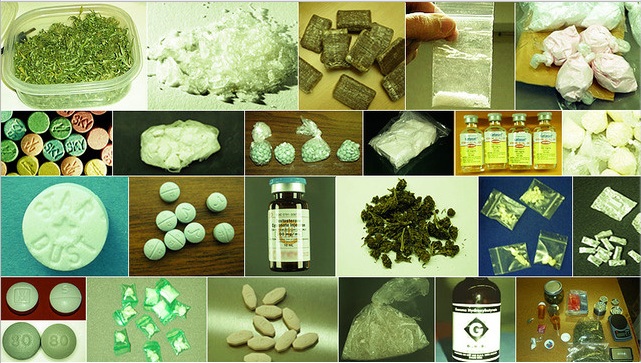
Illicit Drugs

  • Alcohol
  • Cocaine
  • Crack
  • Crystal Meth
  • Ecstasy
  • Heroin
  • Marijuana

Signs and Symptoms of Addiction

People who use drugs tend to show signs of drug abuse in every aspect of their lives. It’s common for an addict to miss work, neglect family obligations and have financial problems. Addiction consumes the addict’s life, and finding the next high is the most important thing. If the drug has a powerful enough hold over the person, he or she may resort to stealing money to buy drugs. You might notice money or valuable items disappearing from your home. You might notice a chance in your loved one’s sleeping patterns. Some drugs keep you awake for a long period of time, causing you to fall asleep when you come down from your high. Other drugs relax you, so that you sleep more often than normal. Physical signs of drug abuse vary depending on the type of drug the person is using. However, some common symptoms include a decline in physical appearance, sudden weight loss or weight gain, dilated pupils and bad dental hygiene.

Prescription Drugs:
  • Adderall
  • Alprazolam
  • Ambien
  • Ativan
  • Clonazepam
  • Hydrocodone
  • Klonopin
  • Lorazepam
  • Oxycodone
  • Percocet

    Drug Addiction Treatment

    When you’re trying to find drug addiction help, it’s important to look into all of your options and choose the program that is right for you. People beat their addictions every day, using both inpatient treatment programs and outpatient programs. The type of program you choose should depend entirely on your personal needs.Outpatient treatment programs give you more freedom, so that you can work and be home with your family at night. Daily check-in programs require you to report to a drug abuse counselor every day for a short session. This helps keep you on track during the recovery process. Day treatment programs require you to stay at the facility for eight hours every day. During this time, you attend group therapy sessions and educational lectures about addiction.Inpatient treatment programs require the patient to live at the facility for the duration-typically 30, 60 or 90 days-of his or her treatment. The process starts with detoxification. During this time-typically about one week-you may experience withdrawal symptoms. Facilities have medical staff on hand to help you cope with the detox process. The medical personnel can also administer medication to relieve some of your symptoms. Once the detox process is over, your regular treatment begins. A typical day at an inpatient facility might include group therapy sessions, individual therapy sessions, educational lectures, recreational activities designed to help you learn how to have fun without drugs and optional church services.


  • Tobacco cravings  can wear you down when you'r     trying to quit smoking   or chewing tobacco Delaying, avoiding triggers, yoga and nicotine replacement are among the ways to resist cravings.
    For most tobacco users, tobacco cravings or urges to smoke can be powerful. But you're not at the mercy of these tobacco cravings. When an urge to use tobacco strikes, remember that although it may be intense, it will be short-lived, and it probably will pass within a few minutes whether or not you smoke a cigarette or take a dip of chewing tobacco. Each time you resist a tobacco craving, you're one step closer to stopping smoking or other tobacco use for good. But it can be difficult. 
    So here are 10 ways to help you resist the urge to smoke or use tobacco when a tobacco craving strikes, no matter where you are: 
    1. Delay. If you feel like you're going to give in to your tobacco craving, tell yourself that you must first wait 10 more minutes and then do something to distract yourself for that period of time. This simple trick may be enough to derail your tobacco craving. Repeat as often as needed.
    2. Don't have 'just one.' You might be tempted to have just one cigarette to satisfy a tobacco craving. But don't fool yourself into believing that you can stop at just one. More often than not, having just one leads to another, then another — and you may wind up using tobacco again.
    3. Avoid triggers. Urges for tobacco are likely to be strongest in the situations where you smoked or chewed tobacco most often, such as at parties or bars, in the car or while watching television. Identify your trigger situations and have a plan in place so that you can avoid them entirely or get through them without using tobacco. Don't set yourself up for a smoking relapse. If you usually smoked while you talked on the phone, for instance, keep a pen and paper nearby to occupy yourself with doodling rather than smoking.
    4. Get physical. Physical activity can help distract you from tobacco cravings and reduce the intensity of cravings. Just 30 minutes of moderate physical activity can make a tobacco craving go away. Get out for a walk or jog. If you're stuck at home or the office, try squats, deep knee bends, push-ups, running in place, or walking up and down a set of stairs a few times. If physical activity doesn't interest you, try prayer, needlework, woodwork or journaling. Or do chores for distraction, such as vacuuming or filing paperwork.
    5. Practice relaxation techniques. In the past, smoking may have been your way to deal with stress. Trying to resist a tobacco craving can itself be stressful. Take the edge off stress by practicing relaxation techniques. These include deep-breathing exercises, muscle relaxation, yoga, visualization, hypnosis and massage.
    6. Call reinforcements. Touch base with a family member, friend or support group member for moral support as you struggle to resist a tobacco craving. Chat on the phone, go for a walk together or simply share a few laughs — or get together to commiserate about your cravings.
    7. Remember the benefits of quitting. Write down or say out loud the reasons you want to stop smoking and resist tobacco cravings. These might include feeling better, getting healthier, sparing your loved ones from secondhand smoke or saving money. And if you're a closet smoker, you may save hours of time since you no longer have to spend time trying to conceal your habit.
    8. Go online. Join an online stop-smoking program. Or read a quitter's blog and post encouraging thoughts for someone else who might be struggling with tobacco cravings. Learn from how others have handled their tobacco cravings.
    9. Try nicotine replacements. Try a nicotine replacement product instead of a cigarette. Some types of nicotine replacement therapy, including patches, gums and lozenges, are available over-the-counter. Nicotine nasal spray and the nicotine inhaler are available by prescription, as are the stop-smoking medications bupropion (Zyban) and varenicline (Chantix).
    10. Chew on it. Give your mouth something to do to fight a tobacco craving. Chew on sugarless gum or hard candy. Or munch on raw carrots, celery, nuts or sunflower seeds — something crunchy and satisfying.
    Remember, trying something to beat the urge is always better than doing nothing. And each time you resist a tobacco craving, you're one step closer to being totally tobacco-free.